Animal Print Stacked Pumpkins Review
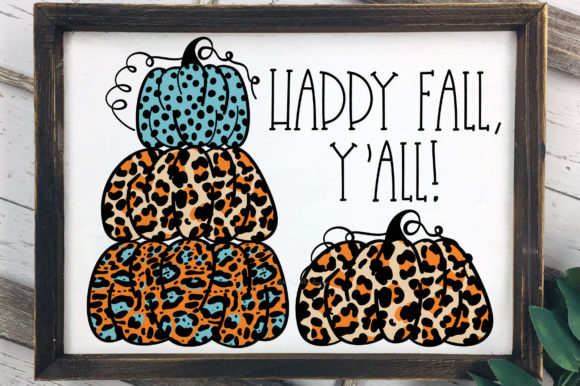
As a designer who spends half my life staring at stitch density charts and the other half worrying about whether a customer’s sweatshirt will hold up after five washes, I don’t just buy embroidery files because they look cute on a screen. I buy them because they translate well to fabric. That is exactly why Animal Print Stacked Pumpkins caught my eye. It sits right at that intersection of seasonal trendiness and bold graphic design, which is a tricky balance to strike in machine embroidery.
The concept is straightforward: a stack of pumpkins featuring leopard, cheetah, and jaguar prints. But the execution is where most designs fail. Many "animal print" files end up looking muddy or overly busy when stitched out, especially if the fill stitches are too dense or the contrast between the pattern and the base color isn't sharp enough. In this review, I’m going to walk you through how this design actually performs in real-world scenarios, from custom tote bags for craft fairs to personalized baby gifts for small boutique shops.
First Impressions and Visual Personality
When I first opened the preview for Animal Print Stacked Pumpkins, the immediate takeaway was its playful yet edgy vibe. It doesn’t scream "traditional autumn harvest." Instead, it whispers "modern boho chic." The separation of the pumpkin shapes is crucial here. Because each pumpkin is separate, the design offers incredible flexibility. You aren’t locked into a single block of stitching. This modularity allows designers to space them out on a large canvas, like a quilted wall hanging, or cluster them tightly on a smaller item like a cap front or a baby onesie.
The visual personality of the file relies heavily on the interplay between the organic curve of the pumpkins and the wild, geometric nature of the animal prints. From a graphic design standpoint, this creates a nice tension. It feels curated rather than chaotic. For Etsy sellers and digital product creators, this aesthetic is gold. It fits perfectly into current trends that favor mixed textures and bold patterns without being overwhelming. It’s the kind of design that stops a scroll on Instagram because it looks different from the standard orange-and-green pumpkin motifs flooding the market every October.
Real-World Application: Where Does It Shine?
I’ve tested various graphics in my hoop, and some just don’t behave. Animal Print Stacked Pumpkins, however, seems built for versatility. Here is how I see it performing in specific embroidery project categories:
- Custom Apparel and Sweatshirts: This is the home run category. Imagine a cream or oatmeal-colored crewneck sweatshirt with the stacked pumpkins centered on the chest. The animal prints would pop against the neutral background, creating a high-end boutique look. It works equally well as an all-over print effect if you space the elements out across the back of a hoodie.
- Tote Bags and Market Accessories: For the craft business owner, durability and style go hand-in-hand. A canvas tote bag embroidered with these pumpkins feels like a statement piece. The separate pumpkin elements allow you to align them vertically down the side of the bag, creating a subtle, elegant detail that customers appreciate.
- Baby Items and Nursery Decor: Don’t let the "wild" print fool you; this can work beautifully for modern nursery themes. On a white muslin blanket or a soft grey swaddle, the colors (assuming you choose softer thread tones) become whimsical rather than fierce. It’s a unique take on holiday embroidery that parents might prefer over traditional fall motifs.
- Personalized Gifts and Home Goods: Think kitchen towels, aprons, or pillow covers. The stacked layout is compact enough to fit nicely on a tea towel without dominating the entire surface area. It adds a touch of personality to kitchen decor that feels festive but not tacky.
Technical Considerations and Stitch Behavior
Let’s talk about the mechanics. When evaluating any machine embroidery design, I always think about stitch density and underlay. Animal prints require good contrast to read correctly. If your thread colors are too similar to the fabric, the texture gets lost. I recommend testing this file on both light and dark fabrics to ensure the negative space in the print holds up.
One of the biggest advantages of this file is the separated elements. This reduces the risk of stitch density issues that often plague complex fills. Because you can treat each pumpkin as its own entity, you can adjust the placement to avoid overlapping stitches unnecessarily. However, you need to be careful with the edges. If the satin stitch around the pumpkins is too tight, it might pucker on thin fabrics. Always check the border width in your software before hooping.
Another technical note: the texture of the fabric matters. This design will look stunning on structured cottons, denim, or felt. It might struggle on highly textured bouclé or very slippery silks, where the stabilizer might shift and distort the alignment of the stack. For best results, use a cut-away stabilizer for stretchy knits and a tear-away for wovens, ensuring the foundation is solid before the needle even touches the fabric.
Where to Use It Carefully
No design is perfect for every surface. There are specific contexts where Animal Print Stacked Pumpkins requires extra caution:
- Small Hoop Sizes: If you are working in a 4x4 hoop, the details of the animal print might get crowded. Ensure the individual pumpkin elements remain distinct and don’t merge visually due to lack of space.
- Curved Surfaces: Embroidering a flat stack onto a curved cap front can distort the geometry. You may need to adjust the angle of the design in your software to compensate for the curve, or accept a slight warping that adds character.
- Dense Stitch Areas: Avoid placing this design directly over existing thick seams or zippers. The additional bulk could cause needle breakage or uneven stitching.
- Frequent Washing: If you are making products for resale, such as commercial embroidery items, remind customers that animal prints can sometimes show wear faster if lower-quality threads are used. Advise washing inside out to preserve the vibrancy of the print.
Impact on Product Value and Branding
For small shop owners and Etsy sellers, the difference between a generic product and a branded one often comes down to the uniqueness of the design assets. Using a standard clip-art pumpkin limits your perceived value. Using Animal Print Stacked Pumpkins signals that you understand current aesthetics. It elevates a simple tote bag into a fashion accessory.
This design also enhances handmade presentation. When you photograph your finished product, the contrast of the animal print against the fabric creates visual interest that translates well to photos. It helps with buyer engagement because it stands out in a feed full of solid-color items. It tells the customer, "This isn’t mass-produced; this has thought behind it."
Final Designer Notes
Before you rush to hoop this design, here is my practical checklist:
- Test on Scrap: Always stitch out a test version on the actual fabric you plan to sell. Check for puckering, thread breaks, and color accuracy.
- Review License Terms: Confirm whether you have commercial rights to sell finished items made from this digital embroidery file. This is critical for avoiding legal issues.
- Mockup Wisely: Create printable mockups to visualize the design on different colored garments. Sometimes a design looks great in red on black but disappears in brown on tan.
- Inspect Details: Zoom in on the animal print areas. Are the lines crisp? Is there enough negative space? If the design is meant to be an applique design, ensure the applique pieces are clean and easy to trim.
In conclusion, Animal Print Stacked Pumpkins is a strong addition to any graphics library for the serious embroiderer. It balances trendiness with technical feasibility, offering enough flexibility for creative expression while remaining robust enough for daily wear and tear. Whether you are making a quick gift for a friend or building a fall collection for your online store, this design provides a professional, polished look that customers are likely to love. Just remember: the magic is in the execution. Choose your threads wisely, stabilize properly, and let the design speak for itself.