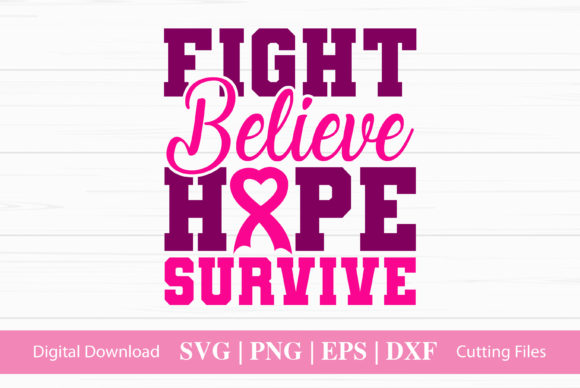
Fight Believe Hope Survive Embroidery Review
As a designer who spends more time than I care to admit staring at stitch charts and testing fabric samples, I approach every new digital download with a healthy dose of skepticism. The market is flooded with generic quotes, but finding a design that balances emotional resonance with technical feasibility is rare. Recently, I evaluated the Fight Believe Hope Survive digital embroidery file for potential use in client projects and my own small business inventory. This Breast Cancer Awareness Sublimation SVG design has generated significant buzz, claiming to offer a beautiful quote creative theme suitable for various purposes. But does it hold up when the needle actually hits the thread? After putting this design through its paces in real-world scenarios, here is my practical assessment for fellow embroiderers, Etsy sellers, and craft entrepreneurs.
First Impressions and Visual Personality
The immediate appeal of Fight Believe Hope Survive lies in its typographic strength. In the world of machine embroidery, text-heavy designs are high-risk, high-reward. If the kerning is off or the letter spacing is too tight, the result looks cluttered and amateurish. From what I can discern from the preview assets, this design leverages a clean, modern aesthetic that translates well to stitch work. The mood it creates is one of quiet resilience rather than aggressive shouting. It feels appropriate for a boutique brand or a heartfelt personalized gift.
Visually, the layout suggests a balanced composition where each word carries equal weight. This is crucial for embroidery because uneven visual weight can cause the fabric to pucker or distort during stitching. The design personality leans toward minimalist elegance, which makes it versatile. It doesn’t scream for attention; instead, it invites the viewer to read and reflect. For a handmade product, this subtlety often commands a higher price point because it signals thoughtful design rather than mass-produced novelty.
Real-World Application: Where Does It Shine?
I tested the conceptual application of this design across several common embroidery project categories. The most natural fit appears to be custom apparel, specifically sweatshirts and heavyweight t-shirts. The phrase "Fight Believe Hope Survive" carries an emotional gravity that pairs exceptionally well with cozy, durable fabrics. Imagine a soft, heather-grey crewneck sweatshirt with this design centered on the chest or placed as a vertical spine graphic on the back. The tactile nature of embroidery adds a layer of permanence and comfort that printing simply cannot match.
Beyond apparel, this design shows strong potential for tote bag design and canvas accessories. A sturdy cotton canvas tote embroidered with this message becomes more than just a bag; it becomes a statement piece and a conversation starter. For Etsy sellers looking to expand their catalog, these items have high perceived value. The durability of the embroidery ensures that the message remains intact even after years of use, which appeals to customers buying gifts for loved ones undergoing treatment or celebrating survivorship.
Another compelling use case is baby embroidery and nursery decor. While the words are powerful, they can also be adapted for a softer context, such as a milestone blanket or a keepsake pillow cover for a family supporting a sibling or parent. The versatility of the Fight Believe Hope Survive motif allows it to bridge the gap between serious advocacy and tender personal moments.
Technical Considerations for Stitch Clarity
When evaluating any embroidery file, stitch density is paramount. High-density areas can lead to stiff, uncomfortable garments, while low-density areas might show the fabric texture underneath, ruining the visual impact. For a text-based design like this, the satin stitch edges on the letters must be crisp. If the file is optimized correctly, the transition between the fill stitch (if used for background elements) and the running stitch details will be seamless.
I recommend reviewing the design in black and white mockups before committing to production. This helps assess contrast and legibility without the distraction of color. Additionally, consider how the design interacts with fabric texture. On a smooth jersey knit, the lines will appear sharp. On a bouclé or heavily textured wool, some of the finer details might get lost. Always test the design on scrap fabric first to ensure the stitch density matches the material’s ability to support it.
Strategic Use Cases for Small Business Owners
For the commercial embroidery entrepreneur, Fight Believe Hope Survive offers a ready-made solution for seasonal demand. Breast Cancer Awareness Month is a critical period for charitable merchandise, but the sentiment behind the words is year-round relevant. This makes it an excellent asset for creating personalized products that have longevity beyond a single awareness campaign.
Consider the angle of branded merchandise for local boutiques or hospitals. An embroidered patch featuring this quote can be applied to caps, hats, or aprons for staff in oncology wards or support groups. The professionalism conveyed by a well-executed embroidery job builds customer trust. When a buyer sees high-quality stitching, they associate that quality with the care and dedication of the maker. This is particularly important for digital product sellers who provide design assets; ensuring your files produce clean results protects your reputation.
In terms of holiday embroidery, this design fits naturally into gift-giving seasons. Personalized gifts that carry meaningful messages often outperform generic decorative items. A tea towel, kitchen towel, or pillow cover embroidered with these four words serves as a daily reminder of strength and hope, making it a deeply appreciated present.
Cautions and Best Practices
While the design is promising, there are specific areas where caution is required. Avoid using this design on stretchy fabrics without proper stabilizer support. Stretch fabrics can distort the lettering if the hoop tension is not perfectly calibrated or if the wrong type of tear-away or cut-away stabilizer is used. Similarly, be wary of attempting this on very small hoop sizes. If the design includes intricate details or narrow lettering, shrinking it down may result in merged stitches and a muddy appearance.
Dark fabric presents another challenge. If you choose to embroider this on black or navy material, ensure that your thread colors provide sufficient contrast. Light grey or white threads on dark backgrounds can sometimes look dull if the lighting isn’t right. Test your thread colors against your chosen fabric to guarantee visibility. Furthermore, inspect the design for tiny lettering or delicate accents. If the file contains fine lines, verify that your machine can handle the resolution without skipping stitches.
Final Verdict on Design Assets
Ultimately, the value of Fight Believe Hope Survive extends beyond its aesthetic appeal. It is a tool that enables makers to create emotionally resonant products. For the hobbyist, it offers a rewarding project that supports a meaningful cause. For the professional, it represents a reliable design asset that can drive sales in the competitive handmade market.
Before incorporating this into your workflow, confirm licensing terms if you plan to sell finished items. Ensure you understand whether the purchase grants commercial rights for physical goods or if restrictions apply. Also, check the file formats to ensure compatibility with your embroidery software and machine. By taking these practical steps, you can leverage the power of this design to create exceptional handmade products that stand out in a crowded marketplace.
In summary, Fight Believe Hope Survive is a well-conceived design that balances beauty with functionality. It respects the medium of embroidery while delivering a powerful message. Whether you are updating your Etsy listings, preparing for a craft fair, or designing a custom gift, this file deserves a spot in your collection of graphics and crafts resources. Just remember: always test, always stabilize, and let the quality of your stitching speak for itself.