Give Cancer the Boot Embroidery Review
As a designer who spends more time than I care to admit staring at stitch paths and fabric grain, I approach every new digital download with a healthy dose of skepticism. The market is flooded with generic vectors and lazy conversions that look fine on a screen but fall apart under the needle. When I first pulled up Give Cancer the Boot, a design categorized under Crafts and Graphics specifically for Breast Cancer Awareness, my initial reaction was one of cautious interest. The concept is straightforward, but the execution in embroidery requires precision. This isn't just about slapping text on a shirt; it’s about creating a meaningful, wearable statement that holds up to real-world wear and tear.
First Impressions: Mood and Visual Personality
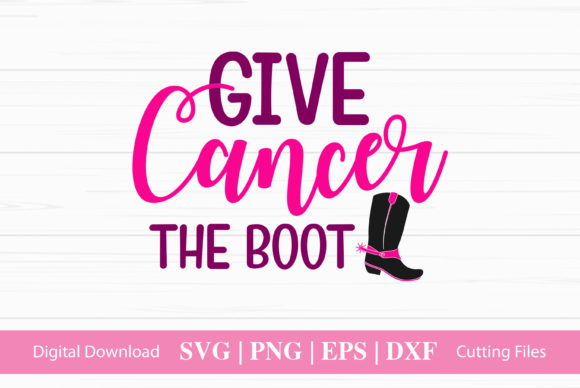
The moment you import the file into your embroidery software, the layout speaks volumes. The phrase "Give Cancer the Boot" carries an aggressive, defiant energy that contrasts sharply with the soft, traditionally delicate aesthetics often associated with breast cancer awareness. It feels less like a whisper and more like a shout. For an embroiderer, this boldness translates well, provided the digitization handles the typography correctly. The design likely relies heavily on clean lines and strong contrast, which are essential for readability in machine embroidery.
Visually, the piece creates a mood of resilience and action. It doesn’t ask for pity; it demands respect. This emotional weight is crucial for handmade products because it elevates the item from a simple craft project to a symbol of solidarity. Whether intended for a custom apparel line or a personal gift, the design possesses a visual personality that is confident and unapologetic. It fits naturally into the realm of modern activism wear, appealing to those who want to show their support through strength rather than subtlety.
Real-World Application: From Screen to Stitch
I recently considered using this embroidery file for a batch of custom tote bags destined for a local charity run. Tote bags are a staple for any Etsy seller or small shop owner, but they present unique challenges regarding fabric tension and surface area. When testing the Give Cancer the Boot design mentally against a canvas tote, the placement becomes critical. A centered chest placement on a sweatshirt works differently than a large, impactful graphic on the front of a bag.
In practice, this design shines on structured garments where the fabric can support the density of the stitches. A heavy cotton hoodie or a denim jacket provides the stability needed for a crisp finish. However, I also envision its potential in smaller formats. An embroidered patch version could be applied to the back of a cap or the sleeve of a jacket, turning a standard accessory into a personalized gift that carries significant meaning. The versatility of the design allows it to function as both a primary focal point and a subtle accent, depending on how you scale it.
For commercial embroidery projects, such as boutique branding or holiday gifts, the design offers high recognition value. Customers today are savvy; they look for quality and intentionality. A well-executed satin stitch outline around the letters, combined with a solid fill stitch for emphasis, can make the product feel premium. It transforms a mass-produced garment into a bespoke item, increasing its perceived value and encouraging buyer engagement.
Technical Considerations and Fabric Compatibility
No design exists in a vacuum, and Give Cancer the Boot is no exception. There are specific areas where this design requires careful handling. Small hoop sizes can be particularly tricky if the lettering is dense or if there are intricate decorative accents that might crowd each other out. When digitizing or preparing this for stitching, you must evaluate the stitch density closely. Too much density on thin fabric can cause puckering, ruining the drape of the final product.
Fabric texture plays a massive role in the final appearance. On a smooth, tightly woven cotton, the edges will be sharp and defined. But on a textured fleece or a loose-knit jersey, the details may blur. I strongly advise testing the design on scrap fabric first, especially if you are working with stretchy fabrics or dark backgrounds where thread color contrast is paramount. If the thread colors do not pop against the fabric, the message gets lost, and the professional appeal diminishes.
Furthermore, consider the end-use of the finished product. Items like kitchen towels or aprons undergo frequent washing and abrasion. While the design is durable, the longevity of the embroidery depends on proper stabilizer usage and correct tension settings. For curved surfaces like caps, the distortion inherent in the curvature can warp straight lines, so inspecting small details before committing to a full production run is non-negotiable.
Practical Designer Notes for Success
- Mockup Testing: Before cutting fabric, view the design in black and white mockups. This helps you assess the balance of light and dark areas without being distracted by color choices.
- Stabilizer Selection: Always use a stabilizer appropriate for the fabric weight. A cut-away stabilizer is often best for stretchy materials to prevent shifting during the stitching process.
- Thread Contrast: Experiment with thread colors. A classic white or silver thread on a black background creates a striking, high-contrast look that enhances readability.
- Licensing Check: Since this is a digital download, confirm the licensing terms before selling finished items or using it in commercial embroidery projects. Ensure you have the right to sell physical goods made from the design.
Final Verdict: A Strong Asset for Creative Entrepreneurs
Ultimately, Give Cancer the Boot is more than just a pretty picture; it is a functional tool for designers and makers who want to create impactful work. It bridges the gap between digital graphics and tactile craftsmanship, offering a design that is both emotionally resonant and technically viable. For hobbyists looking to create a heartfelt baby item or a holiday gift, it provides a ready-made theme that requires minimal adaptation. For small business owners, it offers a distinct aesthetic that stands out in a crowded marketplace.
The key to success lies in respecting the medium. Embroidery has limitations, but when used correctly, those limitations add character to the piece. By paying attention to hoop size, fabric choice, and stitch quality, you can turn this machine embroidery design into a standout product. It encourages creativity while providing a solid foundation for your next embroidery project. Whether you are designing for a client, listing on Etsy, or making something for yourself, this design delivers on its promise of style and substance.
If you are looking to add a touch of defiance and compassion to your collection, this is a worthy addition to your library of design assets. Just remember to test, adjust, and always prioritize the integrity of the stitch. That is what separates a good handmade product from a great one.