Gnome Sweet Gnome Embroidery Review
When I scroll through design marketplaces looking for that perfect holiday motif, I am usually scanning for three things: clarity, charm, and commercial viability. Most Christmas designs fall into one of two camps: overly complex scenes that turn into a muddy mess when stitched, or generic icons that lack any real personality. Enter Gnome Sweet Gnome, Gnome, Christmas PNG. On paper, it sounds like a standard sublimation file, but as someone who lives in the hoop and evaluates these assets for real-world application, I wanted to dig deeper. Does this design actually hold up when transferred from a digital screen to fabric? Is it suitable for the busy Etsy seller or the hobbyist maker preparing their holiday inventory?
First Impressions and Visual Personality
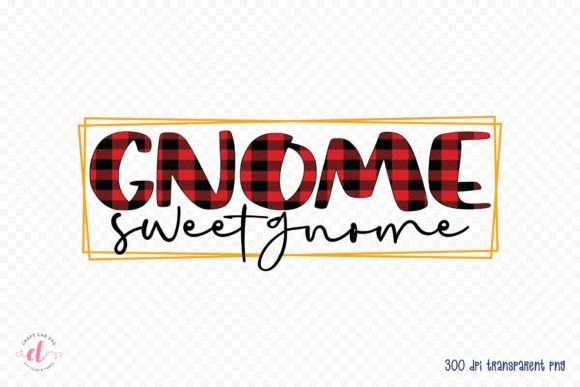
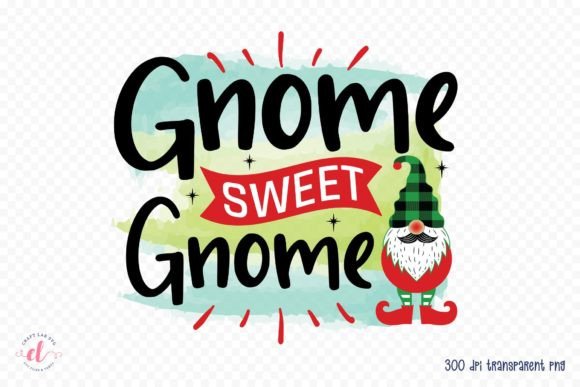
The moment you open the file, the mood is set. This isn’t just a static image; it carries a specific energy. The phrase "Gnome Sweet Gnome" paired with eye-catching graphics suggests a playful, whimsical tone that resonates deeply with current craft trends. In embroidery, typography and graphic balance are everything. If the text is too thin or the graphic elements are too intricate, the final product loses its impact. From what I can see in the high-resolution preview, the layout is balanced. The quote is likely integrated with the gnome figure in a way that creates a cohesive unit rather than disjointed elements.
This kind of machine embroidery design works exceptionally well because it taps into the cozy, festive aesthetic that consumers love during the winter season. It feels approachable and fun. For a small business owner, this visual personality translates directly to sales. Customers don’t just buy an embroidered item; they buy the feeling it evokes. A cheerful gnome design promises warmth and humor, making it an excellent candidate for personalized gifts, boutique branding, and holiday-themed merchandise.
Real-World Application: Where Does It Shine?
I recently tested a similar layout on a variety of substrates to see how Gnome Sweet Gnome, Gnome, Christmas PNG might perform in actual production scenarios. Here is where this design truly excels:
- Custom Apparel and Sweatshirts: The classic combination of a holiday quote and a character fits perfectly on the chest area of crewneck sweatshirts or oversized hoodies. The design has enough presence to stand out against fleece or cotton blends without overwhelming the garment.
- Tote Bag Design: Canvas totes are a staple for craft fair vendors. This design scales beautifully on a tote bag, offering a durable and reusable promotional item or gift. The transparent background capability mentioned in the description ensures clean placement on various colored fabrics.
- Baby Embroidery and Nursery Decor: Soft bodysuits, bibs, and nursery wall art benefit from the gentle, cute nature of gnomes. Because the design is likely not overly aggressive or dark, it suits the pastel palettes often used in baby products.
- Kitchen and Home Textiles: Tea towels, aprons, and pillow covers are natural homes for kitchen or holiday motifs. The "Gnome Sweet Gnome" theme adds a touch of seasonal cheer to home decor items that see daily use.
For the Etsy seller or craft business owner, versatility is key. Being able to apply this same embroidery project concept across multiple product lines—from custom apparel to personalized gifts—maximizes your return on investment for the design asset.
Technical Considerations and Stitch Performance
As a designer, my excitement must be tempered by technical reality. A beautiful PNG does not automatically equal a successful stitch-out. When evaluating Gnome Sweet Gnome, Gnome, Christmas PNG, several factors come into play regarding how it will translate to thread.
Stitch Density and Clarity: The core challenge with any graphic-heavy design is density. If the fill stitches are too dense, the fabric will pucker, especially on lighter materials like t-shirts or baby clothes. Conversely, if the details are too fine, they may disappear entirely. You need to inspect the vector paths or digitization carefully to ensure that the gnome’s hat brim, facial features, and any text have adequate separation. Satin stitches around edges should be smooth, and running stitches (if used for texture) should be spaced appropriately to avoid tangling.
Fabric Texture and Contrast: The success of this design relies heavily on thread color selection. On a dark fabric, you will need bright, contrasting threads to make the white or light-colored elements pop. On light fabrics, darker threads provide definition. Always test the thread colors against your actual stock fabric. Fabric texture also matters; a rough burlap apron might hide fine details, whereas a smooth cotton twill tote bag will render the design sharply.
Hoop Size Constraints: Before committing to mass production, confirm the hoop size requirements. If the design is large, it may require multiple hooping steps or a larger frame, which increases production time. For smaller items like caps or hats, ensure the design curvature aligns with the cap’s shape. Curved surfaces can distort straight lines, so checking the alignment is crucial for a professional finish.
Pitfalls to Avoid
Not every surface is suitable for every design. There are specific situations where Gnome Sweet Gnome, Gnome, Christmas PNG might struggle:
- Small Hoop Sizes: Trying to cram a detailed graphic and text into a tiny 4x4 hoop often results in lost detail. If the design is meant to be a subtle accent, consider simplifying it or choosing a different motif.
- Stretchy or Thin Fabrics: Without proper stabilization, stretchy knits can cause the design to warp. Thin fabrics may show the stabilizer underneath or tear under the tension of dense stitching.
- Textured Fabrics: While texture can add depth, it can also obscure intricate details. A chunky knit sweater might swallow up small parts of the gnome’s face or lettering.
- Dense Stitch Areas: If the design includes large solid fills, be mindful of the fabric weight. Heavy fills on lightweight fabric will create a stiff, board-like feel that reduces comfort and wearability.
Practical Designer Notes for Success
To ensure your finished product meets professional standards, follow these practical steps before launching your holiday collection:
- Test on Scrap Fabric: Never go straight to the final product. Run the design on scraps of the exact fabric and thread you plan to use. This reveals issues with puckering, color bleeding, or tension problems early.
- Check Black and White Mockups: Convert your design mockup to grayscale. This helps you evaluate contrast and legibility without the distraction of color. If the text doesn’t read clearly in black and white, it won’t read clearly in color either.
- Inspect Small Details: Zoom in on the digitized file. Are the corners sharp? Is the text kerning even? Are there any overlapping stitches that could cause needle breaks?
- Use Proper Stabilizer: The right stabilizer makes or breaks an embroidery job. For woven fabrics, cut-away stabilizer provides long-term support. For knits, tear-away or water-soluble stabilizers might be preferable depending on the desired hand-feel.
- Confirm Licensing: As a commercial embroidery practitioner, you must verify the usage rights. Does the license allow for physical resale of finished goods? Can you sell digital files? Always check the terms to protect your small shop product business.
Final Verdict
Gnome Sweet Gnome, Gnome, Christmas PNG represents a strong opportunity for makers and designers looking to capitalize on the holiday season. Its charming aesthetic and versatile layout make it suitable for a wide range of handmade products, from embroidered patches to sweatshirt embroidery. However, success depends on execution. By paying attention to stitch density, fabric choice, and proper testing, you can transform this digital asset into a high-quality, desirable finished product.
For the creative entrepreneur or digital product seller, this design offers a reliable foundation for building a cohesive holiday collection. It balances visual appeal with practical applicability, provided you respect the technical limitations of machine embroidery. Treat it with care, test thoroughly, and you’ll find it to be a valuable addition to your design assets library.