Brown Swiss Cow Embroidery Design Review
As a designer who spends half her day staring at stitch lines and the other half trying to convince clients that embroidery isn’t just for monograms anymore, I approach every new digital asset with a mix of skepticism and hope. We are all tired of the same old clip-art aesthetics that look flat and lifeless once they hit the hoop. That is why when I first pulled up Brown Swiss Cow, I didn’t just see a cow; I saw a potential bestseller for the upcoming farmhouse decor season. This isn’t just another generic animal silhouette. It is a graphic asset that demands to be translated into thread, and after putting it through its paces in my virtual studio and testing its viability for real-world applications, I have some strong thoughts on where it shines and where it might trip you up.
The First Impression: Mood and Visual Personality
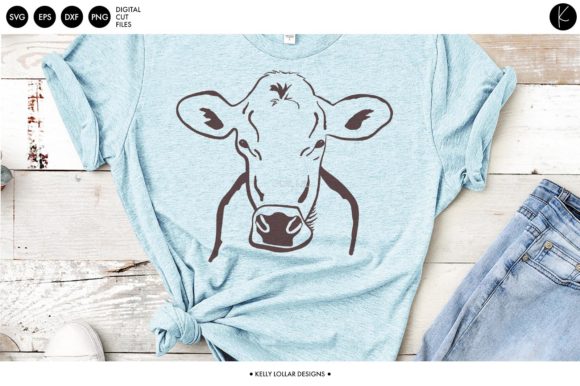
The moment you load this file, the character jumps out at you. The title says it all: it is specifically designed for Brown Swiss lovers, which immediately narrows its appeal but deepens its connection with a specific niche audience. The design features a cow head rendered with textured lines rather than solid blocks of color or overly complex realistic shading. This choice is brilliant for several reasons. First, it leans into the rustic, authentic vibe that defines modern farmhouse style. Second, it is inherently versatile. Because the lines are distinct and stylized, it feels less like a photograph and more like a hand-drawn illustration, which adds a layer of artisanal charm that customers love.
Visually, the layout is balanced. It has enough detail to feel substantial on a garment but enough negative space to breathe. When I imagine this on a cream-colored canvas tote bag, the textured lines pop against the weave. On a navy blue sweatshirt, it offers a striking contrast without feeling aggressive. The "Cow Head with Textured Lines" aspect gives it a contemporary edge—it’s not your grandmother’s barnyard art. It feels curated. For an Etsy seller or a small shop owner looking to build a brand around rural living, pet love, or agricultural pride, this design provides that immediate visual hook. It signals quality before the customer even reads the product description.
Real-World Application: Where Does It Fit?
Let’s talk about actual use cases. I often tell my peers that a design is only as good as the product it adorns. Brown Swiss Cow is incredibly adaptable, but it has clear favorites. My top recommendation? Custom apparel. Specifically, crewneck sweatshirts and heavyweight t-shirts. The textured nature of the design mimics the fabric itself, creating a cohesive look that feels integrated rather than slapped on. Imagine a unisex oatmeal-colored sweatshirt with this centered on the chest, perhaps paired with a simple serif font quote above it. That is a gift-ready item that sells itself during the holiday season.
It also performs exceptionally well on home goods. A tea towel or kitchen apron featuring this design taps into the "cozy kitchen" trend that is still dominating social media feeds. The cow head acts as a charming focal point that doesn’t overwhelm the utility of the item. For baby items, such as a muslin swaddle or a soft blanket, the gentle lines work well, provided the scale is adjusted appropriately. It makes for a sweet, personalized gift for expecting parents who appreciate farm-to-table values or simply love animals.
Don’t overlook the potential for branded merchandise. If you run a boutique that sells local dairy products or runs a farm stay, this design can serve as a logo accent or a promotional patch. It builds brand consistency because it is recognizable yet unique enough to stand out from mass-produced farm store inventory. For digital product sellers, this is a goldmine for printable mockups. You can easily showcase this design on various backgrounds to attract buyers who want to see how it translates to different materials.
Where to Exercise Caution
However, no design is perfect for every scenario, and being honest about limitations saves you headaches and refunds. There are specific situations where Brown Swiss Cow requires careful consideration. If you are planning to embroider this onto a curved surface like a baseball cap, you need to be mindful of the distortion. While the head shape is generally symmetrical, the textured lines might stretch or compress depending on the curve of the hat. Always test on a scrap piece of the actual cap material before committing to the final product.
Small hoop sizes are another area of risk. If you attempt to digitize or place this design in a very small hoop (under 4x4 inches), those delicate textured lines may become muddy or lose their definition. The eye needs room to trace those lines to appreciate the effect. Similarly, if you are working with thin, stretchy fabrics like jersey knit without proper support, the design could pucker. In these cases, using a high-quality stabilizer is non-negotiable. Also, avoid placing this on dark fabrics unless you are using a light-colored thread or adding a contrasting outline, as the texture might get lost in the shadows.
Practical Designer Notes for Execution
Before you upload this to your machine or send it to a print-on-demand partner, there are a few technical steps you must take. First, always test the design on scrap fabric that matches the weight and texture of your final product. This allows you to check thread color contrast. The interplay between the thread sheen and the fabric matte finish will determine whether the "textured lines" actually read as texture or just look like noise.
I also recommend reviewing the stitch density. While the description implies a cut file aesthetic, if this is being converted to a machine embroidery format, ensure the fill stitches aren’t too dense. Too much density can make a lightweight shirt stiff and uncomfortable. Conversely, if it relies too heavily on running stitches, it might lack the durability needed for frequent washing. Inspect the small details closely—especially around the eyes and nose—to ensure they remain crisp. If the lines are too thin, they may break during trimming.
Another pro tip: test the design in black and white mockups. Sometimes color distracts us from structural flaws. If the design looks balanced and legible in grayscale, it will likely look great in full color. Compare it against both light and dark backgrounds to ensure versatility. Furthermore, confirm the licensing terms explicitly. Are you allowed to sell finished physical items? Can you use this in digital bundles? As a commercial embroidery designer, protecting your business means knowing exactly what rights come with the Brown Swiss Cow asset. Do not assume standard licenses cover all uses.
Final Verdict on Value and Appeal
Ultimately, Brown Swiss Cow is a strong addition to any crafter’s or designer’s library. It hits the sweet spot between cute and stylish. It appeals to the emotional side of buying (love for animals, love for home) while maintaining a professional aesthetic that justifies a higher price point. For the hobbyist, it is a fun weekend project that yields a polished result. For the business owner, it is a scalable asset that can drive sales across multiple categories—from custom apparel to embroidered patches.
The key to success with this design lies in execution. Choose the right fabric, respect the hoop size, and pair it with complementary typography. When done correctly, the result is a handmade product that feels personal, durable, and visually engaging. It transforms a simple cow motif into a statement piece. Whether you are creating a personalized gift for a friend or building your next Etsy listing, this design offers the flexibility and charm needed to connect with your audience. Just remember to do your homework on the technical specs, test thoroughly, and let the quality of your stitching speak for itself. In a market saturated with generic designs, Brown Swiss Cow stands out by offering personality, precision, and practicality in one neat package.