Princess Hat Embroidery Design Review
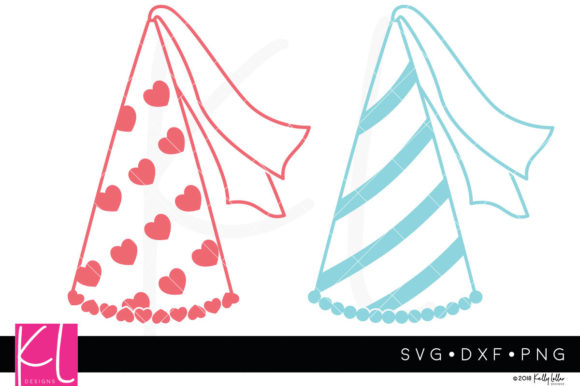
When I sit down to evaluate a new embroidery file for my own studio or for clients, I am rarely looking at just the image itself. I am looking at how it translates from screen to fabric. Today, I am taking a close look at the Princess Hat design, specifically the version featuring heart or stripe variations. On paper, this is a Valentine’s-themed hennin—a medieval-style pointed hat often associated with fairy tales and princesses. But in practice, does it hold up? Can it survive the hoop, the tension adjustments, and the wear of a finished product that will actually be used?
As an experienced designer, my first impression of the Princess Hat is one of nostalgic charm. The silhouette is distinct, capturing the playful essence of a child’s dress-up game while maintaining enough structure to read clearly when stitched. It feels less like a generic clipart and more like a curated graphic element suitable for high-quality handmade products. For those of us in the crafts category dealing with graphics that need to stand out on shelves or in digital listings, this design strikes a balance between intricate detail and clean visual hierarchy.
The Mood and Visual Personality
The mood here is undeniably sweet but grounded. A hennin can easily become too busy or fussy if the stitch density is off, but this design seems to rely on flowing lines for the fabric draping and bold shapes for the hat itself. Whether you choose the heart variation for a romantic Valentine’s touch or the stripe variation for a slightly more modern, gender-neutral aesthetic, the core shape remains strong. This versatility is crucial for small business owners who want to maximize their inventory without creating entirely new files for every holiday.
Visually, the design creates a sense of movement. The "flowing fabric" mentioned in the description suggests that the digitizer likely used long satin stitches or carefully placed fill stitches to mimic the drape of silk or taffeta. When I imagine this on a finished product, I see a boutique item that feels personal and thoughtful. It is not just a logo; it is a scene. This emotional connection is what drives engagement for Etsy sellers and craft fair attendees. Buyers do not just buy a tote bag; they buy the feeling of celebrating a special occasion with their little princess.
Real-World Application: From Screen to Stitch
Let’s talk about where this Princess Hat design truly shines. In my experience, designs with moderate complexity perform best on structured items. I immediately envision this as a centerpiece for a custom embroidered sweatshirt for a toddler or young girl. Placed over the heart or centered on the back, the design allows the surrounding fabric to breathe, making the embroidery pop. It works exceptionally well as a sweatshirt embroidery piece because the texture of the fleece or cotton blend complements the smoothness of the thread.
Beyond apparel, this design is a powerhouse for accessories. Consider a tote bag design made from sturdy canvas. The contrast between the rough canvas and the shiny polyester threads of the hearts or stripes creates a tactile appeal that customers love. It also translates beautifully to baby clothes. A tiny rendition of this hat on a onesie or a burp cloth adds a layer of professionalism to what could otherwise be a simple gift. As a baby embroidery project, it signals care and attention to detail, which builds trust with parents who are purchasing personalized gifts.
I also see strong potential for home decor. Imagine this design on a pillow cover for a nursery or a tea towel for a kitchen. In these contexts, the design acts as a focal point. For holiday gifts, especially around Valentine’s Day or Easter, the thematic relevance gives the product immediate marketability. It fits seamlessly into collections aimed at holiday embroidery trends. Furthermore, for those selling digital embroidery files, having a versatile design like this allows for multiple mockups—showing it on different fabrics and garments helps potential buyers visualize the final result, increasing conversion rates.
Where Caution Is Required
However, no design is perfect for every situation. There are specific scenarios where the Princess Hat might struggle, and it is vital for designers to recognize these limitations before committing to production.
- Small Hoop Sizes: If you attempt to stitch this design in a very small hoop (under 4x4 inches), you risk losing the delicate details of the flowing fabric. The hearts or stripes may merge into indistinct blobs if the resolution is too low. Always test the minimum viable size.
- Textured and Stretchy Fabrics: While the design looks great on stable cotton or canvas, applying it to highly textured fabrics like boucle or stretchy jersey without proper stabilization can lead to distortion. The curves of the hat may warp if the fabric stretches during stitching.
- Dark Fabrics: If you plan to use this on dark fabric, ensure your thread colors provide sufficient contrast. The lighter shades often used in the "heart" variation might get lost unless you use a high-density underlay or a contrasting background patch.
- Curved Surfaces: Attempting to embroider this directly onto a curved surface like a cap can be challenging. The flat nature of the design may not follow the curve naturally, leading to puckering. It is better suited for flat panels attached to caps rather than direct application.
- Frequent Washing: For items like aprons or kitchen towels that undergo frequent washing, check the stability of the satin stitches. If the design has long, unsupported runs, they may snag or unravel over time. Reinforcing these areas with additional stabilizer or adjusting the stitch length is essential for durability.
Practical Designer Notes for Execution
Before adding this machine embroidery design to your production line, there are several technical steps you must take. First and foremost, test the design on scrap fabric that matches the weight and texture of your final product. This is non-negotiable. You need to see how the stitch density interacts with the fabric weave.
Pay close attention to the thread colors. The original file may suggest specific colorways, but you should verify that these colors exist in your machine’s thread collection and that they contrast well against your chosen fabric. I recommend testing the design in black and white mode within your digitizing software to check the value contrast. If the design lacks definition in grayscale, it will likely lack definition in color.
Confirm the appropriate hoop size and select the correct stabilizer. For a design with both dense fill areas and finer details, a cut-away stabilizer is usually the safest bet for woven fabrics, while a tear-away might suffice for temporary projects on stable knits. Inspect the small details closely—are the hearts distinct? Are the stripes separated by enough negative space to prevent thread breakage?
Finally, consider the licensing. If you intend to sell the finished physical goods, ensure you have the right to do so. If you are bundling this as part of a design assets package, clarify whether the license allows for commercial use. Transparency protects your craft business and maintains integrity with your customer base.
Final Verdict
The Princess Hat is a charming, versatile addition to any embroidery library. It offers a strong visual identity that resonates with themes of childhood, romance, and celebration. When executed correctly, it elevates a simple handmade product into a memorable personalized gift. However, success depends on respecting the technical requirements of embroidery. By choosing the right fabric, using proper stabilization, and testing thoroughly, you can create a finished product that delights customers and strengthens your brand’s reputation for quality. For the savvy Etsy seller or small shop owner, this design is a smart investment for seasonal collections and year-round appeal alike.