Feeling a Little Ghoulish: A Designer’s Review
As someone who spends more time than I care to admit staring at stitch density charts and testing thread tension, I approach every new machine embroidery design with a healthy dose of skepticism. The market is flooded with clipart that looks cute on a screen but turns into a tangled mess of thread once it hits the hoop. However, when I first laid eyes on Feeling a Little Ghoulish, I didn’t just see a Halloween graphic; I saw a viable asset for a small business or a thoughtful handmade gift. This isn’t just another spooky silhouette; it’s a structured composition that demands attention to detail, balance, and execution.
The First Impression: Mood and Composition
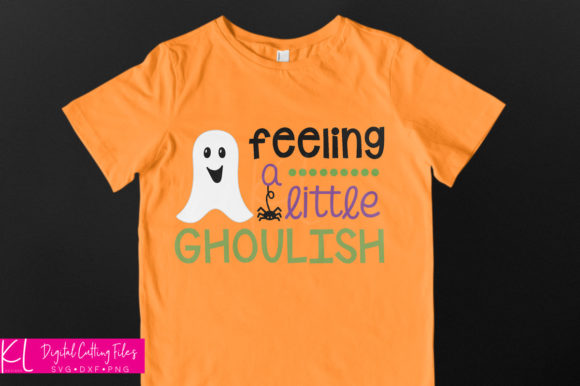
The title alone sets a playful, slightly mischievous tone that resonates perfectly with the current trend in children’s apparel and seasonal decor. Visually, the design balances text and imagery in a way that feels intentional rather than cluttered. The central figure—a ghost adorned with an optional bow—offers a charming contrast between traditional spookiness and sweet innocence. For designers looking to create custom apparel for kids, this duality is gold. It allows you to target parents who want their little ones to celebrate the holiday without leaning too heavily into the "scary" aesthetic.
The inclusion of polka dots and spiders adds texture and visual interest without overwhelming the primary quote. From a layout perspective, these elements serve as excellent framing devices. They guide the eye around the piece, ensuring that the viewer takes in the entire composition before settling back on the text. This kind of balanced negative space is crucial for embroidery project success, as it prevents the design from feeling cramped when stitched out. The overall personality is whimsical and approachable, making it suitable for a wide range of audiences, from toddlers to adults who appreciate a touch of vintage-inspired cuteness.
Real-World Application: Where Does It Shine?
In my experience, the true test of a digital embroidery file is how it translates across different mediums. Feeling a Little Ghoulish shows remarkable versatility. My immediate thought was a collection of baby bodysuits or muslin swaddle blankets. The soft curves of the ghost and the delicate nature of the bow translate beautifully on fine cottons and blends. When I imagine this on a sweatshirt embroidery project, however, the context shifts. Here, the design would work best centered on the chest or placed on the pocket area, where the scale feels proportional and the details remain legible.
For the craft business owner or Etsy seller, this design opens up several revenue streams beyond standard t-shirts. Consider a set of matching parent-and-child shirts, or perhaps a series of tote bag design options for trick-or-treaters. The sturdy nature of canvas totes can handle the weight of the fill stitches often used in such designs, providing a durable and fashionable accessory. Additionally, this motif lends itself well to home decor items like kitchen towels or pillow covers. Imagine a white flour sack towel featuring the ghost surrounded by subtle spider accents—it’s a festive touch that doesn’t scream "Halloween" but whispers it, appealing to those who prefer subtle seasonal decor.
Bridging Personal Gifts and Commercial Goods
One of the strongest aspects of this design is its adaptability for both personal use and commercial sale. As a personalized gift, it could be embroidered onto a child’s pajama set or a cozy throw blanket. The emotional value of a custom-made item is high, and this design provides the perfect visual anchor. For commercial purposes, the broad appeal means lower risk. You aren’t targeting a niche subculture; you are targeting anyone who enjoys a bit of lighthearted fun during the autumn months. This makes it an ideal candidate for small shop product lines that need reliable, evergreen seasonal stock.
Technical Execution and Potential Pitfalls
While the visual potential is high, any seasoned designer knows that execution is everything. Before committing to a production run, there are several technical considerations for Feeling a Little Ghoulish. First, always test the design on scrap fabric. This is non-negotiable. Different fabrics react differently to stabilizers and thread tensions. On a stretchy knit, for example, you might find that the ghost shape distorts if the proper tear-away or cut-away stabilizer isn’t used correctly. Conversely, on a woven cotton, the design should hold its shape beautifully.
Pay close attention to the stitch density, particularly in the bow and the spider legs. If the density is too high, the fabric may pucker, ruining the professional finish. If it’s too low, the design may look sparse and unfinished. Checking the design in black and white mockups is also a smart move; it helps you assess the contrast and readability of the text against the graphical elements. Ensure that the thread colors you choose provide enough contrast against your chosen fabric. On dark fabrics, the white of the ghost will pop, but you’ll need to ensure the text remains legible, possibly requiring a backing or a specific font style that holds up under dense stitching.
Material Matters
Avoid using this design on highly textured fabrics like heavy bouclé or rough burlap unless you have extensive experience. The intricate details, such as the polka dots and the facial features of the ghost, may get lost in the weave. Similarly, be cautious with thin fabrics; without adequate support, the fill stitch areas can pull the material, leading to an uneven final product. For curved surfaces like caps or hats, verify that the hoop size accommodates the curvature without causing distortion in the lettering. A poorly executed cap embroidery can make even the best design look amateurish.
Final Verdict: A Smart Addition to Your Library
Feeling a Little Ghoulish is more than just a cute graphic; it’s a well-constructed graphics asset that respects the limitations and possibilities of machine embroidery. It offers a blend of charm, clarity, and versatility that is hard to find in the crowded marketplace of Halloween designs. For the craft business owner, it represents a low-risk, high-reward addition to your seasonal catalog. For the hobbyist, it promises a rewarding stitching experience that results in a polished, professional-looking finished product.
Remember to check the specific licensing terms before selling finished items. While the design is visually striking, commercial rights vary. Assuming you have the appropriate permissions, this design deserves a spot in your library. Whether you are creating holiday embroidery collections, updating your printable mockup inventory, or simply making a special gift for a neighbor’s kid, Feeling a Little Ghoulish delivers on its promise of fun and quality. It’s a reminder that good design isn’t just about looking good on a screen; it’s about translating that vision seamlessly into thread, fabric, and form.
Ultimately, this design succeeds because it understands its audience. It speaks to the joy of the season without being overly aggressive or complex. By paying attention to the technical details—stabilizer choice, thread contrast, and fabric selection—you can elevate this design from a simple decoration to a standout piece of wearable art. So, load up your machine, pick your favorite color palette, and let the ghoulish fun begin.