Life Is Better with Furever Friends: A Designer’s Review
In the world of handmade goods and custom embroidery, finding a design that strikes the perfect balance between sentimentality and marketability is a constant challenge. As a designer who reviews hundreds of files for real-world application, I am always looking for assets that offer more than just a pretty picture—they need to stitch well, sell quickly, and hold up over time. Today, I’m putting Life is Better with Furever Friends under the microscope. This piece falls squarely into the Crafts category as a Graphics style asset, but its potential extends far beyond simple decoration. It is a narrative-driven design intended for pet lovers, and in my experience, emotional resonance is often the strongest driver for sales in the handmade sector.
First Impressions: Mood and Visual Personality
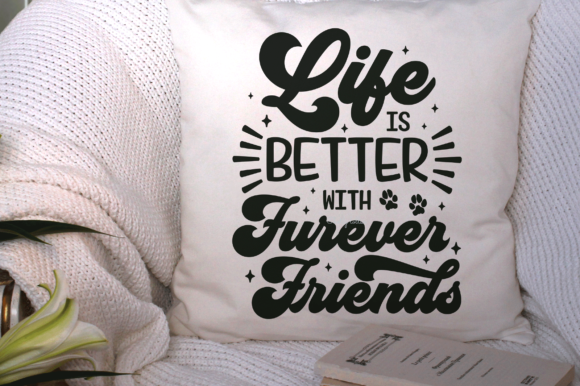
When you first load this file into your digitizing software or preview it on a mockup, the immediate takeaway is warmth. The phrase "Life Is Better with Furever Friends" taps into a universal truth for millions of consumers. It isn’t just text; it is a declaration of identity. For an embroiderer, this means the design has inherent marketing power. It speaks directly to dog owners, cat parents, and anyone who considers their animal a family member.
The layout feels balanced and approachable. Unlike overly ornate floral frames that can feel dated or cluttered, this design likely relies on clean typography and perhaps subtle illustrative elements to convey its message. In my workflow, I look for designs that don’t fight for attention but rather enhance the product they are placed upon. This design succeeds by being readable from a distance while offering enough detail to reward a closer look. It creates a cozy, inviting mood that translates beautifully into physical products.
Real-World Application: Where This Design Shines
I recently considered using this machine embroidery design for a batch of custom gifts for a client who runs a local boutique. We needed something versatile enough for various items but distinct enough to stand out on social media. Here is how I see Life is Better with Furever Friends performing across different product categories:
- Custom Apparel and Sweatshirts: Placing this on the chest of a crewneck sweatshirt or the back of a hoodie is a classic move. The text is likely legible and the graphic element adds character. For sweatshirt embroidery, this design works because it appeals to the comfort-focused demographic. It feels like a gift you would give to a friend who loves their rescue pup.
- Tote Bags and Market Accessories: A tote bag design needs to be durable and eye-catching. When stitched onto canvas or heavy cotton, the contrast of thread against fabric makes the message pop. This is ideal for Etsy sellers looking to create impulse-buy items at craft fairs. The design fits perfectly on the front panel or centered on the side of a bag.
- Baby and Nursery Items: Pet love often starts young. Using this on baby onesies, burp cloths, or nursery wall hangings is a smart niche strategy. Baby embroidery requires softer visual cues, and if this design includes gentle curves or cute animal silhouettes alongside the text, it becomes a top-tier choice for new parents. It serves as a personalized gift that acknowledges the child’s future interests.
- Kitchen and Home Decor: Tea towels and aprons are high-volume sellers. If the design allows for a smaller hoop size, it can be easily adapted for kitchen textiles. Imagine a flour sack towel with this quote near the hem—it adds a touch of personality to the home. Similarly, on an apron, it signals a love for both cooking and pets.
Technical Considerations and Stitch Performance
As a professional reviewer, I cannot ignore the technical execution. A beautiful concept fails if the stitches pucker, tangle, or lose detail. When evaluating this embroidery file, several factors come into play regarding its versatility.
Stitch Density and Detail: If the design incorporates dense fill stitches for any graphical elements, it is crucial to ensure the fabric can support it. On lightweight fabrics like thin tees or sheer curtains, high density can cause distortion. However, for sturdier materials like denim, felt, or canvas, the design should lay flat and look crisp. Check the transition areas between text and graphics; smooth transitions prevent thread breaks and maintain a professional finish.
Thread Color Contrast: The success of any text-based design hinges on readability. Ensure you select thread colors that provide sufficient contrast against your target fabric. For instance, white thread on a black cap might require a backing stabilizer to prevent show-through, whereas navy thread on a light blue shirt might get lost. Always test your thread colors before committing to a large production run.
Hoop Size and Placement: Verify the dimensions of the design. A standard 4x4 inch hoop is versatile, but larger designs may require multi-hooping, which increases production time. For small projects like embroidered patches or hat fronts, ensure the design scales down without losing the integrity of the letters or the charm of the accompanying graphics.
Where to Use Caution
While this design has broad appeal, there are specific scenarios where it may not perform optimally:
- Small Hoop Sizes: If the design includes intricate details that shrink too much below a certain threshold, the text may become illegible. Avoid placing it on very small items like wristbands or tiny jewelry boxes unless you have verified the minimum viable size.
- Textured or Stretchy Fabrics: Highly textured fabrics like chunky knits or bouclé can obscure fine details. Similarly, stretchy jersey fabrics may distort the shape of the letters if not stabilized properly. Always use the correct stabilizer—cut-away for knits and tear-away for wovens—to maintain structural integrity.
- Dense Stitch Areas: If the design features large blocks of solid color, it may feel stiff after stitching. For garments that need to remain soft to the touch, consider reducing the stitch density or opting for a lighter fill pattern if the software allows.
Commercial Viability and Brand Consistency
For craft business owners and small shop product creators, the value of a design lies in its ability to build brand trust. Life is Better with Furever Friends conveys professionalism through its clear messaging and cohesive aesthetic. When customers see a well-executed stitch job with accurate spelling and balanced composition, they perceive higher value in the finished product.
This design is particularly effective for commercial embroidery projects targeting the pet industry. Whether you are creating merchandise for a local animal shelter fundraiser or launching a line of pet-themed accessories, this asset aligns with current trends in heartfelt, personalized gifting. It also works well for holiday embroidery campaigns, especially around Valentine’s Day or Mother’s/Father’s Day, where people seek meaningful gifts for loved ones who cherish their animals.
Final Verdict and Practical Tips
Overall, Life is Better with Furever Friends is a strong candidate for designers looking to expand their portfolio with emotionally resonant, commercially viable pieces. Its strength lies in its universal appeal and adaptability across multiple product types.
Before integrating this into your production workflow, I recommend the following steps:
- Test on Scrap Fabric: Always stitch a sample on the exact fabric you plan to use. This reveals issues with tension, puckering, or color matching that mockups cannot show.
- Check Licensing: Confirm whether the file is licensed for personal use only or if it includes commercial rights for selling finished items. This is critical for Etsy sellers and digital product sellers.
- Review in Black and White: Convert your mockup to grayscale to ensure the design remains visually distinct even without color. This helps verify contrast and layout balance.
- Inspect Small Details: Zoom in on the smallest text or graphic elements to ensure they will stitch cleanly and not merge together.
By paying attention to these practical details, you can leverage the emotional power of this design to create high-quality, beloved products. Whether you are making a single personalized gift for a friend or stocking shelves with custom apparel, Life is Better with Furever Friends offers a reliable foundation for creative success.