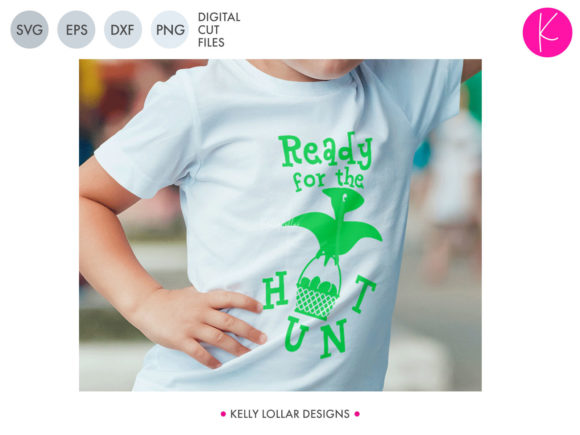
Ready for the Egg Hunt: A Designer’s Review
As an embroidery designer who spends more time staring at stitch charts and fabric swatches than sleeping, I have learned to be skeptical of designs that look cute on a screen but fall apart under the needle. When I first pulled up Ready for the Egg Hunt, my initial reaction was one of cautious optimism. The concept—a Pterodactyl dinosaur with a fun quote for children’s Easter shirts—is undeniably charming, tapping into two massive trends: prehistoric whimsy and holiday nostalgia. However, moving from digital preview to physical reality requires more than just hope. It demands a critical eye for detail, stitch density, and overall composition.
This review is not about whether the design looks pretty in a thumbnail. It is about evaluating Ready for the Egg Hunt as a viable asset for real-world applications. Whether you are an Etsy seller looking to boost your spring inventory, a boutique owner curating seasonal collections, or a hobbyist making personalized gifts, understanding the practical execution of this graphic is crucial. Below, I break down how this design performs when it leaves the computer and enters the hoop.
First Impressions and Visual Personality
The core strength of this design lies in its immediate visual appeal. The juxtaposition of a fierce-looking Pterodactyl with a playful, child-friendly Easter theme creates a unique character that stands out against generic bunnies and chicks. For designers seeking to differentiate their handmade product lines, this kind of unexpected pairing is gold. It suggests personality and humor, which tends to drive higher engagement on social media platforms and increases the likelihood of a sale for an Etsy seller.
From a layout perspective, the design feels balanced. The text integration appears sturdy, avoiding the common pitfall of thin, fragile lettering that often tears during washing. The mood is lighthearted and festive, making it an excellent fit for holiday embroidery projects. It does not feel cluttered; there is enough negative space around the central figure to allow the embroidery machine to breathe, which is a key factor in achieving a clean finish. This balance makes it versatile enough for various custom apparel items, from soft baby onesies to structured tote bags.
Real-World Application Scenarios
To truly test a design, you must imagine it on different surfaces. Here is how I see Ready for the Egg Hunt performing in specific scenarios:
- Baby Embroidery and Nursery Decor: The softness of the theme makes it ideal for baby embroidery. Imagine this stitched onto a muslin burp cloth or a small blanket. The contrast between the dinosaur motif and delicate pastel threads would create a sophisticated yet fun aesthetic. It works well here because the design likely relies on bold shapes rather than microscopic details, ensuring clarity even on tiny garments.
- Tote Bag Design and Accessories: Canvas tote bags are a staple for craft fairs. This design translates beautifully to canvas due to its sturdy graphical nature. The quote adds a conversational element, turning a simple bag into a statement piece. When paired with bright thread colors, the Pterodactyl pops against the natural or colored canvas, enhancing the visual appeal of the final item.
- Sweatshirt Embroidery and Winter/Spring Transition: While Easter is a spring holiday, many parents buy early. Stitching this on a light-colored sweatshirt or hoodie offers a cozy, textured backdrop. The fill stitches typical of dinosaur scales or egg shapes will sit nicely on fleece or cotton blends, providing depth and dimension that flat graphics cannot achieve.
- Embroidered Patch and Apparel Accents: If the design allows for a clean border, it could serve as a standalone patch. This is useful for adding a custom touch to denim jackets or backpacks. The durability of the satin stitch outlines (if present) would ensure the patch withstands daily wear, adding value to the finished product.
Areas Requiring Careful Execution
No design is without its challenges, and Ready for the Egg Hunt has specific areas where a designer must exercise caution. Ignoring these can lead to puckering, thread breaks, or a lackluster final result.
- Small Hoop Sizes: If you plan to digitize or use this on very small items like socks or miniature hats, pay close attention to the fine details. Tiny elements may become indistinguishable if the hoop size is too small relative to the design complexity. Always check the minimum recommended dimensions before committing to production.
- Fabric Texture and Stability: Textured fabrics, such as waffle knit or heavy tweed, can obscure the intricate parts of the design. Similarly, stretchy fabrics require a robust stabilizer to prevent distortion. Without proper support, the satin stitch edges might warp, ruining the crispness of the Pterodactyl’s features. For best results, use a cut-away stabilizer for knits and a tear-away for wovens, depending on the garment type.
- Thread Color Contrast: The success of any graphic design depends heavily on contrast. On dark fabric, you will need to evaluate whether the background color of the design (if any) provides enough separation from the base material. If the design relies on white stitching for highlights, ensure your thread quality is high to avoid fuzziness. Conversely, on light fabrics, dark outlines must be distinct enough to define the shape clearly.
- Dense Stitch Areas: Dinosaur skin textures often involve dense fill stitches. While this adds realism, it also adds bulk and weight. Ensure your machine settings and needle choice match the fabric thickness to prevent needle deflection or skipped stitches. Overly dense areas can also make the fabric stiff, which might be uncomfortable for children’s Easter shirts worn all day.
Practical Designer Notes for Success
Before adding Ready for the Egg Hunt to your commercial catalog or personal stash, follow these essential steps to guarantee professional results:
- Test on Scrap Fabric: Never run a new design directly onto your final product. Use a scrap of the exact fabric you intend to sell. This reveals issues with tension, puckering, or thread consumption early.
- Review Stitch Density: Zoom in on the digital file. Look for overlapping stitches that might cause clumping or sparse areas that look unfinished. Adjusting the stitch density in your software can often improve the outcome significantly.
- Black and White Mockups: Convert your design to grayscale to check contrast levels. If the design loses definition in black and white, it will likely struggle in color on certain fabrics.
- Confirm Licensing: As a commercial embroidery asset, licensing is paramount. Ensure you have the right to sell finished goods made from this design. Some digital embroidery files come with strict limitations on the number of units sold or prohibit resale entirely.
- Inspect Small Details: Check the quote text carefully. Legibility is key. If the letters are too thin or spaced too widely, they may merge together after stitching, confusing the message.
Final Verdict
Ready for the Egg Hunt is a strong contender for anyone looking to add a touch of whimsical professionalism to their spring collection. Its clever theme and balanced composition make it suitable for a wide range of products, from personalized gifts to small shop products. By paying attention to fabric choices, stabilizer usage, and stitch quality, designers can transform this graphic into a standout piece that resonates with customers.
For the craft business owner, this design offers a low-risk, high-reward opportunity. It appeals to a broad demographic, from dinosaur enthusiasts to Easter shoppers. Just remember that the magic happens in the execution. Take the time to prep your materials, test your settings, and refine your finishing techniques. When done correctly, Ready for the Egg Hunt will not just be another item in your inventory—it will be a customer favorite that reinforces your brand’s reputation for quality and creativity.
Ultimately, this design succeeds because it understands its audience. It is fun, approachable, and visually engaging. With careful handling, it can elevate your embroidery project from a simple craft to a polished, market-ready commodity. Happy stitching.